

Wisdom teeth removal in Christchurch, planned properly and followed up after you go home.
Most wisdom tooth horror stories come down to two things: how well the extraction was planned, and how well the recovery was managed. We take both seriously.
Your extraction is carried out by Dr Keith Chiang, a surgical dentist with [28] years’ experience and a Masters degree in oral surgery. Dentists across Christchurch, Canterbury and the West Coast refer their surgical cases to him.
We start with a proper assessment and an in-house 3D scan, explain your options honestly, and offer sedation if you’re anxious.
To help make treatment more accessible, we offer easy 3 to 6 month payment plans, and accept Q Card and Afterpay.
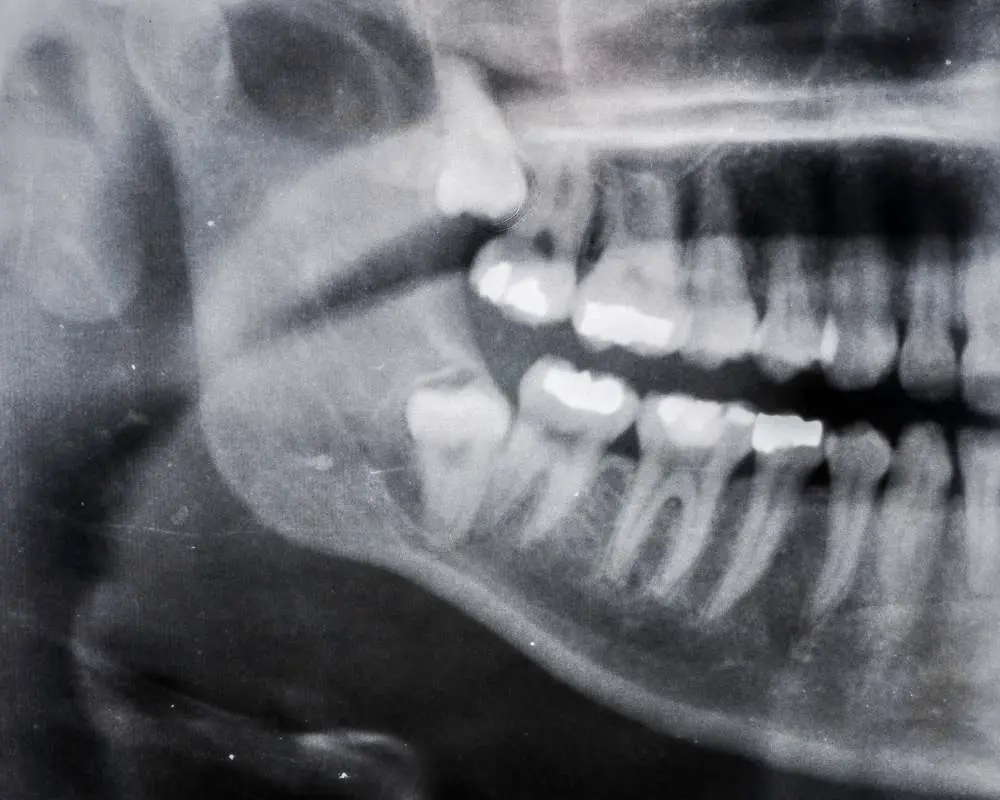
Simple vs Surgical Extraction: What’s Involved?
How your wisdom tooth comes out depends on where it sits and how it has grown.
Upper wisdom teeth are usually more straightforward. Lower wisdom teeth are more often impacted and more likely to need a surgical approach. We’ll tell you which you need at your consultation.
Simple Extraction
Most people feel back to normal within a few days.
They're a great option for smaller corrections, single teeth, or if you'd like a more affordable way to trial a new look before committing to porcelain.
With good care, composite veneers typically last around 5 to 7 years, and if you're ever unhappy with the result, they can be adjusted or replaced without permanently altering your tooth.
Surgical Extraction
Recovery takes around a week, with swelling peaking at day 2 to 3.
Well looked-after porcelain veneers can last 10 to 15 years, and often longer.


How Wisdom Teeth Removal Works at Fendalton Dental
Assessment & 3D Planning
Before anything is booked, we examine the tooth, take X-rays and talk through your medical history, medications and how anxious you feel about treatment. A standard X-ray is flat. Our 3D CBCT scanner shows the tooth in three dimensions, so we can see how the roots sit in relation to the nerve in your lower jaw, your sinuses and neighbouring teeth.
If your case would be better managed in hospital or under general anaesthetic, we’ll tell you and refer you.
Sedation Options
Dr Keith has performed more than 5,000 sedation procedures since 2007, supported by IV-certified dental assistants. Read more about sedation.
- Local anaesthetic: the area is completely numbed. You’ll feel pressure, but not pain.
- Nitrous oxide (happy gas): breathed through a small nose mask. It takes the edge off anxiety and wears off quickly.
- [Oral sedation: Keith to confirm whether still offered]
- IV sedation: a sedative given through a small drip in your arm. You feel deeply relaxed and usually remember very little. You’ll need someone to drive you home and stay with you afterwards.
- General anaesthetic: fully asleep, in a hospital setting. We’ll refer you if this is the right option.
On the Day
We confirm the plan and answer any last questions. The area is numbed, sedation is given if you’ve chosen it, and the tooth is removed. You bite on gauze while we go through your aftercare, and you leave with written instructions.
Recovery & Aftercare
- Day 1: some oozing, numbness wearing off, mild to moderate pain. Bite on gauze, rest with your head raised, use cold packs and eat soft, cool food. No rinsing, spitting or straws.
- Days 2 to 3: swelling and stiffness peak, and you may bruise. Keep up pain relief as advised and start gentle warm salt-water rinses after 24 hours.
- Days 4 to 5: pain and swelling ease each day. Brush gently near the area and slowly reintroduce easy foods.
- Day 7: most people feel close to normal. Stitches dissolve on their own over 1 to 2 weeks.
After day 2 or 3, it should be getting steadily better each day. If it starts getting worse instead, call us.
We call you after your surgery to check how you’re going. [If approved: we’ll also text on Day 3 and Day 7.]
Dry Socket: What to Watch For
After a tooth is removed, a blood clot forms in the socket and protects the bone underneath. A dry socket happens when that clot is lost too early, leaving the bone exposed. It isn’t an infection, but it can be very painful, and it’s most common after lower wisdom teeth are removed.
Your risk is higher if you smoke or vape, take the contraceptive pill, have had a dry socket before, or need a difficult lower extraction. Avoiding smoking, rinsing, spitting and straws in the first 24 hours makes a real difference.
Dry socket pain usually gets worse two to four days after the extraction instead of better. It often throbs towards the ear and painkillers stop touching it. Call us. It’s very treatable: we clean the socket and place a soothing dressing, and many people feel relief within hours.
Call us straight away if you notice:
- Bleeding that won’t stop with firm pressure on gauze for 30 minutes
- Pain or swelling that gets worse after day 3
- Fever, pus or a foul taste that doesn’t go away
- Numbness that hasn’t worn off by the next day
- Difficulty swallowing or breathing (go to the emergency department)
[After-hours contact details]
Wisdom teeth are commonly removed when they are:
- Causing repeated infections or swelling in the gum around them
- Decayed, or causing decay in the tooth next to them
- Only partly through the gum, trapping food and bacteria
- Impacted against the neighbouring tooth or bone
- Linked to a cyst or other changes in the jaw
Healthy wisdom teeth that have come through fully, sit in a good position and can be cleaned properly can often stay, and we’ll always tell you if that’s the case. Signs worth getting checked include pain at the back of the mouth, swollen or bleeding gums, a bad taste, jaw stiffness, or difficulty opening your mouth fully.
Plenty of people need wisdom teeth out in their 20s, 30s and beyond. As we get older the roots are fully formed, the bone is denser and healing can take a little longer, so adults are more likely to need a surgical extraction. That’s a reason to get the planning right, not a reason to worry.
Cost & Payment Options
Wisdom teeth removal pricing depends on how many teeth are involved, whether they need surgical removal, and whether you choose sedation. We’ll give you an exact, itemised quote after your consultation, with no obligation to proceed.
To help make treatment more accessible, we offer easy 3 to 6 month payment plans, and accept Q Card and Afterpay. We also provide ACC treatments (part charge applies) and WINZ quotes. See our Finance & Prices page for full details.
Frequently Asked Questions
The procedure itself shouldn’t hurt. The area is fully numbed, and you’ll only feel pressure. Some soreness afterwards is normal and should ease steadily after the first two or three days.
Most people need 2 to 3 days after a simple extraction and up to a week after a surgical one, especially if more than one tooth is removed.
Often, yes, especially with IV sedation. It means one recovery instead of several. We’ll talk through whether it suits you.
With IV sedation you’re deeply relaxed and usually remember little or nothing, but you’re not fully unconscious. If you’d prefer to be completely asleep, we can refer you for a general anaesthetic in hospital.
Arrange time off, stock up on soft foods and have pain relief at home. If you’re having sedation, organise a driver. Tell us about any medications, including the contraceptive pill.
Routine removal usually isn’t. If your dental injury was caused by an accident, we provide ACC treatment (part charge applies). Many health insurance policies contribute, so check yours.
It’s a common belief, but the evidence doesn’t generally support it. We don’t recommend removing wisdom teeth just to prevent crowding.
Tell us about it, so we can plan around it. Careful 3D assessment, the right sedation, clear aftercare and a follow-up call make a big difference.